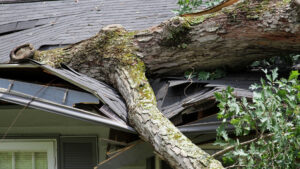
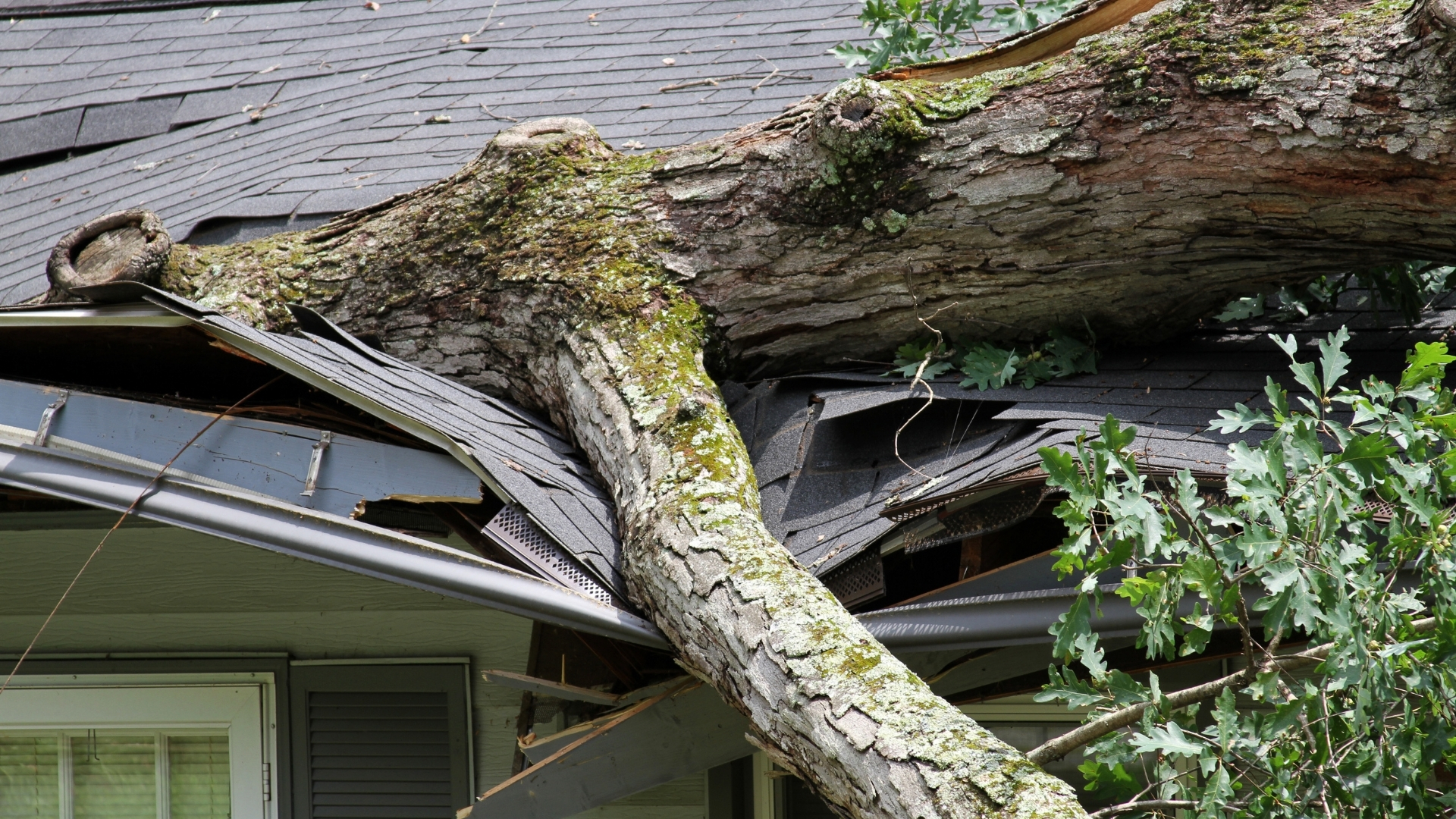
One of the most frightening things a Florida homeowner can experience is the sound of a tree crashing down on the house. From Miami and Fort Lauderdale on the southeast coast to Tampa, Orlando, and Jacksonville further north, no part of the state is immune. It can happen during a hurricane tracked by the National Hurricane Center, during a sudden summer thunderstorm, or out of nowhere on a calm day because of hidden rot in an aging live oak or ficus. The decisions you make in the first hour matter, both for your safety and for how smoothly your repair and insurance process goes.
At Jireh Tree Care, we respond to emergency tree calls across Florida, and we have seen how a calm, step-by-step approach makes all the difference. Here is exactly what to do when a tree falls on your roof.
Step One: Get Everyone to Safety
Before anything else, make sure every person and pet in the home is safe. A tree heavy enough to hit your roof can compromise the structure, and damage you cannot see is often worse than the damage you can. If the impact was severe, if you hear creaking or shifting, or if part of the ceiling is sagging, get everyone out of the house immediately and away from the affected area.
Do not go back inside to grab belongings until you know it is safe. A roof that is holding for now can give way without warning, especially if the tree is still settling or if rain from a passing storm is adding weight by the minute.
Step Two: Watch for Downed Power Lines
In a storm, trees rarely fall alone. They often bring power lines down with them, and those lines can be live and deadly even when they are lying on the ground or draped across the canopy. Treat every downed or sagging line as energized.
Stay far away, keep others back, and do not touch the tree if it is anywhere near electrical wires. Call your utility provider right away. In most of the state that means Florida Power and Light, while customers in Central and North Florida may be served by Duke Energy Florida or Tampa Electric. Report the downed line and call 911. Power restoration and line safety are the utility’s responsibility, and no tree removal should begin until the area has been confirmed safe.
Step Three: Call Emergency Services if Needed
If anyone is injured, if there is a gas smell, if a fire starts, or if the structural damage is significant, call 911. First responders can secure the scene, shut off utilities, and help you evacuate safely. Even when an injury seems minor, it is worth getting checked, since adrenaline can mask the effects of a real impact.
If the situation is stable and nobody is hurt, you can move on to protecting your property and starting the recovery process.
Step Four: Document Everything for Insurance
Once you are safe, your phone becomes one of your most important tools. Take clear photos and videos of the tree, the damage to your roof, any interior damage, and your belongings. Capture wide shots that show the whole scene as well as close ups of specific damage.
Do this before any cleanup begins. Insurance adjusters want to see the damage in its original state, and thorough documentation protects you if there is any dispute about the extent of the loss. Make a written list of damaged items too, including furniture, electronics, and anything else affected by water or debris. If the damage is the result of a federally declared disaster, that documentation also helps if you later apply for assistance through FEMA.
Step Five: Prevent Further Damage
Most homeowner insurance policies in Florida require you to take reasonable steps to prevent additional damage after an event. That usually means covering the opening so rain does not pour into your home. If it is safe to do so, a tarp over the breach can limit water damage to ceilings, walls, drywall, and flooring, which is a serious concern in a humid climate where mold can take hold within a day or two.
That said, never climb onto a damaged roof yourself. The surface may be unstable, slippery, or weakened in ways you cannot see from the ground. This is exactly the kind of work a professional emergency tree and roofing crew handles safely. Keep receipts for any tarps, materials, or emergency services, because those costs are often reimbursable.
Step Six: Contact Your Insurance Company
Call your insurance provider as soon as you reasonably can and open a claim. Give them your documentation, explain what happened, and ask what your policy covers. Standard homeowner policies in Florida typically cover damage caused by a tree falling on a covered structure, including the cost of removing the tree from the roof, though coverage details vary.
Ask your insurer specific questions. Find out whether they require you to use a particular contractor, what your deductible is, and how they want the removal handled. If you run into a dispute or feel you are being treated unfairly, the Florida Department of Financial Services operates a consumer helpline that can answer questions about your rights as a policyholder. Getting these answers early prevents surprises and delays later in the process.
Step Seven: Call a Professional Tree Removal Service
Removing a tree from a roof is not a job for a homeowner with a chainsaw. The tree is under tension, its weight is distributed in unpredictable ways, and a wrong cut can cause it to shift suddenly, causing more damage or serious injury. Add a compromised roof structure and possible nearby power lines, and the risk multiplies. Heavy Florida species such as the live oak, sabal palm, and mature ficus can weigh thousands of pounds once down.
A professional tree service has the equipment, training, and experience to remove the tree in a controlled way that limits further damage to your home. Look for a company whose crews work alongside an ISA Certified Arborist, the credential issued by the International Society of Arboriculture, which signals real training in tree biology and safe removal. We assess how the tree is resting, plan each cut, and use cranes or rigging when needed to lift sections off rather than letting them drop. We also clean up the debris so your property is clear and ready for roof repairs.
When you call us at Jireh Tree Care, we can respond to homes across Florida, and during the Atlantic hurricane season, which runs from June 1 through November 30, we keep crews on standby. We coordinate with you and, when helpful, with your insurance and roofing contractor so the handoff is smooth.
Step Eight: Beware of Storm Chasers
After a major storm, out of town companies and unlicensed operators flood Florida looking for quick work. Some do shoddy jobs, some demand large cash payments up front, and some disappear after taking your money. Be cautious with anyone who shows up uninvited, pressures you to sign on the spot, or cannot provide proof of licensing and insurance.
Stick with an established local company that you can verify and that will still be here long after the storm passes. Ask for proof of insurance, get the scope of work in writing, and never pay the full amount before the job is done.
Get Help Fast With Jireh Tree Care
A tree on your roof is an emergency, but it does not have to become a disaster. Keep your family safe, stay clear of power lines, document the damage, contact your insurer, and bring in professionals who know how to handle the removal correctly.
Jireh Tree Care provides emergency tree removal for homeowners across Florida, from the South Florida coast to communities throughout the state. If a tree has come down on your home, or you want to know who to call before the next storm hits, save our number and reach out. We are ready to respond quickly, work safely, and help you get your home back to normal as fast as possible.