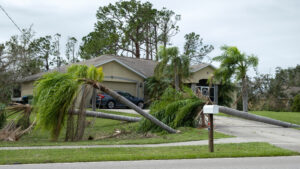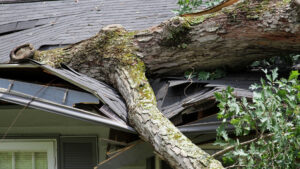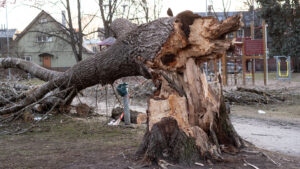
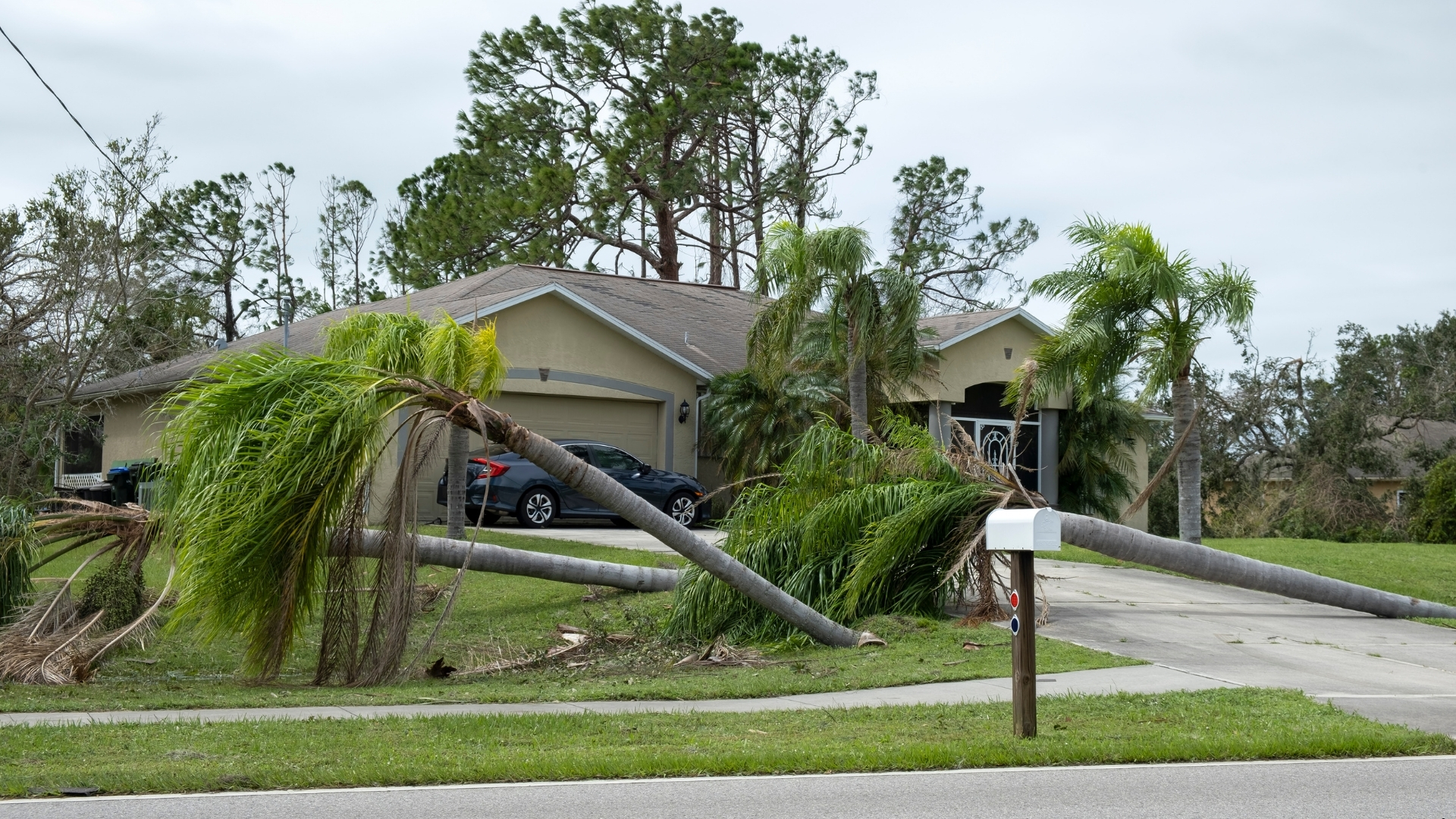
The trees on Florida properties face a serious test every year during the Atlantic hurricane season, which runs from June 1 through November 30. One powerful storm can turn a healthy shade tree into a major safety hazard. Whether you live along the coast in Miami or Naples, or inland in Orlando or Gainesville, your trees play a critical role in protecting your home and property.
The National Hurricane Center often provides days of warning before a storm arrives. Your trees, however, only withstand hurricane-force winds if they have been properly maintained long before a storm develops.
A simple question every Florida homeowner should ask is:
Are your trees ready for hurricane season?
Every spring, homeowners across Florida turn to Jireh Tree Care for professional evaluations and preventative tree care. Understanding what hurricane readiness looks like is the first step toward protecting your property.
Why Florida Trees Face Greater Hurricane Risk
Florida sits in one of the most active hurricane regions in the world. Several environmental factors increase the risk of tree failure during storms.
Florida’s sandy soils provide less root support than the heavier soils found farther north. As wind speeds increase, trees depend heavily on strong root systems for stability. Heavy summer rainfall also saturates the soil, reducing root grip and increasing the chance of uprooting.
Year-round growing conditions contribute to dense canopies that catch more wind during storms. This creates additional stress on trunks, branches, and root systems.
Tree species also play a major role in storm survival. Research from the University of Florida IFAS Extension has shown that some species fail more frequently during hurricanes than others.
Trees with a higher failure rate include:
- Laurel oak
- Water oak
- Brazilian pepper
Trees with stronger wind resistance include:
- Southern live oak
- Sabal palm (Florida’s state tree)
Knowing what species are growing on your property helps determine your level of risk.
Warning Signs Your Tree Is Not Hurricane Ready
Many storm-related tree failures begin long before a hurricane arrives. A property inspection often reveals signs of weakness that should not be ignored.
Look for the following warning signs:
- Dead or hanging branches
- Cracks in the trunk or major limbs
- Cavities or hollow sections in the trunk
- Soft or decaying wood
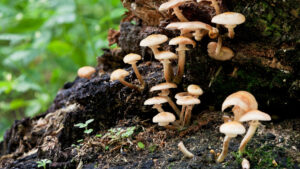
- Mushrooms growing near the base
- Leaning that appears worse than before
- Soil lifting, mounding, or cracking around the root area
- Weak V-shaped branch unions
- Large limbs extending heavily to one side
Dead branches often become dangerous projectiles during high winds. Cracks and cavities indicate structural weakness. Mushrooms near the base may signal internal decay or root rot.
A tree that suddenly begins leaning or shows signs of soil movement around the trunk may be experiencing root failure.
If you notice any of these conditions, your tree is telling you it is not prepared for hurricane season.
The next step is determining whether corrective pruning will improve safety or whether removal is the better option.
What a Hurricane-Ready Tree Looks Like
A well-maintained tree has a much better chance of surviving severe weather.
Characteristics of a storm-ready tree include:
- A balanced canopy
- Proper structural pruning
- Removal of dead, diseased, and damaged branches
- Improved airflow through the crown
- Reduced weight on overextended limbs
- Strong branch attachments
Proper pruning allows wind to pass through the canopy instead of pushing against it like a sail.
Just as important is what a hurricane-ready tree does not have.
A properly maintained tree has not been topped or hat-racked. Topping removes large sections of the canopy and forces rapid growth of weak shoots. These shoots often break during future storms and create even greater hazards.
Topping also weakens tree health and increases susceptibility to decay.
Hurricane Readiness for Palm Trees
Palm trees require a different approach.
Healthy palms naturally develop full crowns that help them withstand strong winds. Many homeowners mistakenly perform extreme “hurricane cuts” before storm season.
This practice removes too many healthy fronds and exposes the palm’s vulnerable growth point.
Proper palm maintenance includes removing:
- Dead brown fronds
- Broken fronds
- Seed pods when necessary
Healthy green fronds should remain intact whenever possible.
A properly maintained sabal palm or queen palm ranks among Florida’s most wind-resistant landscape trees.
Root Health Matters More Than You Think
Many tree failures begin underground.
A tree’s root system provides the anchorage needed to withstand hurricane-force winds. When roots become damaged, stability declines significantly.
Common causes of root problems include:
- Construction projects
- Driveway installations
- Excavation work
- Soil compaction
- Improper planting depth
- Circling roots from container-grown trees
Young trees also benefit from proper staking practices that encourage strong root development.
When root issues are suspected, a professional arborist should evaluate the tree. Many root-related problems remain hidden until failure occurs.
The Best Time to Prepare Is Before Hurricane Season
Timing makes a significant difference.
The ideal time for pruning, inspections, and removals is late winter through early spring, before June 1.
Early preparation offers several advantages:
- Easier scheduling
- Safer working conditions
- Less stress on trees
- More time to address hazards
Once a hurricane is approaching Florida, reputable tree service companies often become fully booked. Emergency work also becomes more dangerous and more expensive.
Preparation before storm season provides the greatest level of protection.
Create a Basic Storm Plan
Tree readiness should be part of every homeowner’s hurricane preparation strategy.
Before hurricane season arrives:
- Photograph your trees and landscaping
- Document current property conditions
- Identify high-risk trees
- Keep contact information for a trusted tree company available
- Schedule professional evaluations early
Having documentation may help support insurance claims if storm damage occurs.
Establishing a relationship with a local tree care company also helps speed up response times after severe weather.
Schedule a Professional Tree Evaluation
Some of the most serious tree defects remain invisible from the ground.
Internal decay, root instability, structural weaknesses, and hidden disease often require professional assessment. An ISA Certified Arborist can identify risks that homeowners may overlook and recommend the most effective solutions.
Potential recommendations may include:
- Selective pruning
- Structural support systems
- Risk reduction treatments
- Tree removal when necessary
Large tree work should never be treated as a do-it-yourself project. Climbing, heavy limb removal, and work near power lines require specialized equipment and training.
Contact Jireh Tree Care Today
Jireh Tree Care helps homeowners throughout Florida prepare their properties for hurricane season with professional inspections, pruning, and tree care services.
A pre-season evaluation helps identify potential hazards before severe weather arrives. Taking action now may prevent costly property damage, reduce safety risks, and save thousands of dollars in storm-related expenses later.
Schedule your hurricane readiness assessment today and make sure your trees are prepared before the next storm develops.