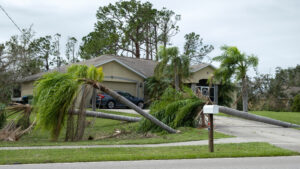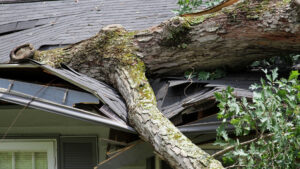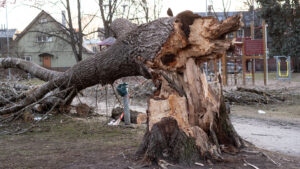
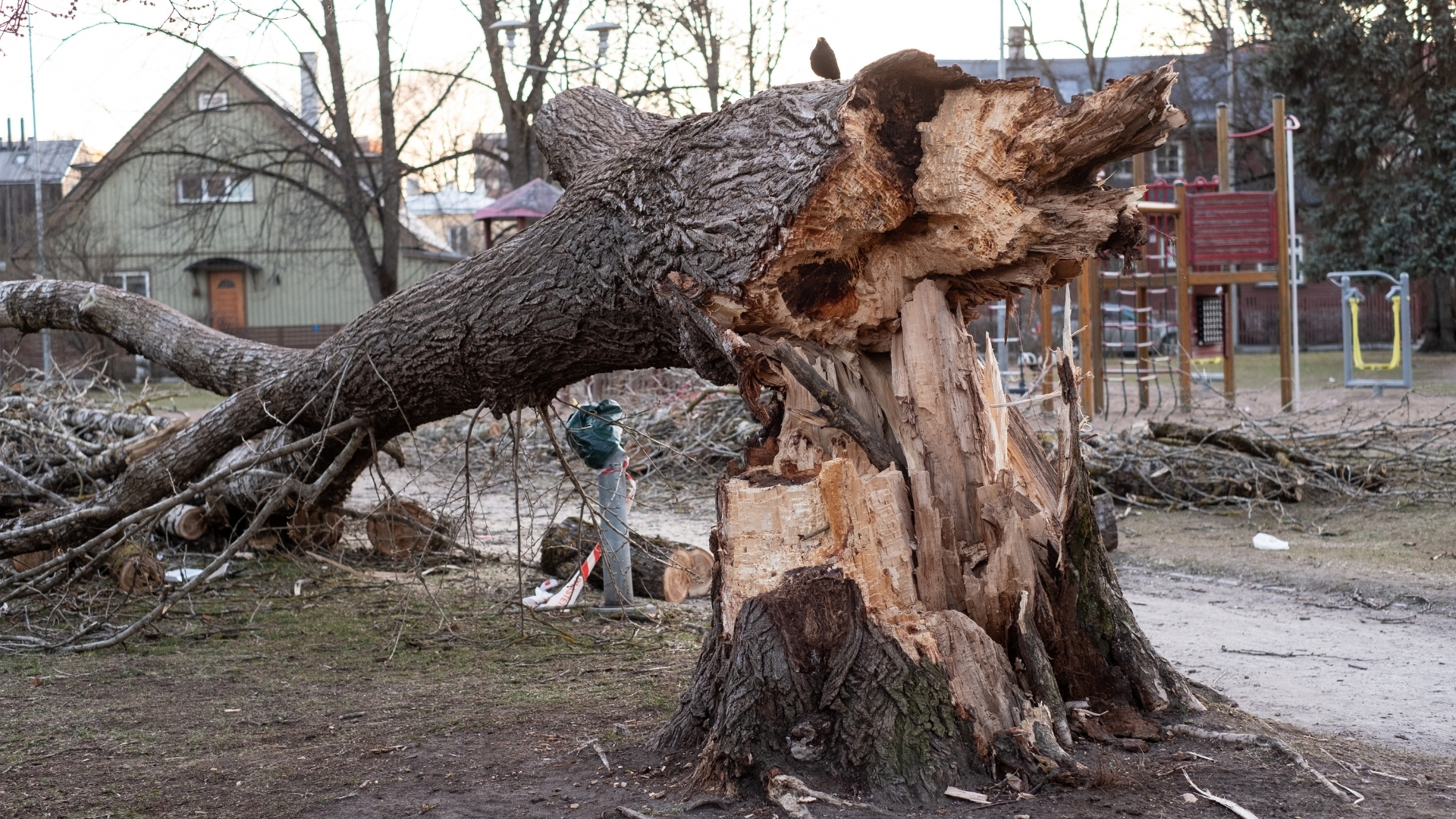
Every year, the trees on your property are tested during the hurricane season which runs from June 1 to Nov. 30 in South Florida. A single storm can cause a healthy shade tree to become a serious hazard in Pembroke Pines, where mature oaks, palms and ficus trees are a part of what makes a neighborhood feel established. Roofs are torn down by falling limbs, driveways are heaved by root systems, and driveways and roads are blocked by fallen trees, and power lines are pulled out of the ground by uprooted trees.
The positive aspect of this is that the majority of storm damage can be prevented. Properly pruned, properly rooted and checked trees are much more likely to survive the high winds of a season than neglected trees. We have been assisting Pembroke Pines homeowners with preparing their landscape for the storm for many years and the following steps are the ones we go over with our clients each spring.
Start With a Professional Tree Inspection
You should know what you’re dealing with before you start touching a single branch. Many of the trees that have fallen during a hurricane were already weak before the wind. Not all of these can be noticed from the ground, so a professional inspection is the first step.
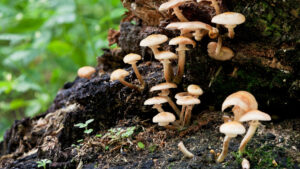
A certified arborist searches for signs of trouble that the untrained eye would not notice. Signs to watch for include cracks in the trunk, holes in the trunk from broken branches, mushrooms growing near the base of the trunk, and leaning that has worsened over time. We also look for soil lifting or instability around the root zone, which is often the result of the heavy rains in the summer in South Florida.
If the tree is structurally sound, it can be pruned to better withstand wind. If it is too far gone, it is much less expensive and safer to remove it on a calm day as opposed to after it has crushed your car or your neighbor’s fence.
Trim for Wind, Not Aesthetics.
The most important measure you can take to save a tree before a storm is to prune, but it must be done properly. The aim is to minimise wind resistance and allow air to flow through the canopy rather than being pushed as if it were a sail. When trees get uprooted, all the wind power is being transferred down into the trunk and roots, as the canopy is dense and overgrown.
Selective thinning of the canopy is accomplished by proper hurricane pruning. Dead, diseased and crossing branches are removed, weak and co-dominant stems are removed, and open up the interior to allow wind to flow through. What we don’t do is “hurricane cut” or “hat rack” a tree, leaving it with bare stubs. Although still practiced in some parts of South Florida, that old tradition actually makes trees weaker. This compels them to rush to produce new growth which is poorly attached and more likely to break during the next storm.
Timing matters too. Late winter to early spring is the best time to prune for hurricanes, but before the season begins. Pruning in an active storm warning is risky and is usually not possible to schedule because all of the tree companies in the area are full.
Pay Special Attention to Palms
Palms abound in Pembroke Pines and require a different approach. A well-formed crown of fronds on a healthy palm is one of the most wind resistant trees you can have. Problems start when people over-prune them.
One of the worst things you can do is to “hurricane cut” a palm, also known as a “Mohawk,” and leave only a few upright fronds. The fronds serve to cover the growing bud at the top of the trunk and if too many leaves are removed, the bud is exposed and the whole palm is weakened. It is recommended to remove only dead or hanging brown fronds and seed pods, but not to remove the green canopy. This maintains the palm’s strength and health while not compromising its natural storm resistance.
Inspect the Roots and Soil
The stability of a tree is only as good as its root system, and most of the roots are below ground where they can easily be overlooked. Root issues are a primary reason for trees to fall in storms in our sandy South Florida soil.
Pay attention to roots that have been severed in recent construction, landscaping or driveway projects as it drastically diminishes a tree’s anchorage. Look for mounding or cracking on one side of the trunk, as this may be an indication that the root plate is beginning to lift. Trees that have been planted too deep, or have had circling roots due to being in a nursery pot for too long, are also at higher risk.
When young or newly planted trees are staked correctly, it can help them grow a deeper root system before storm season. For existing trees with root issues, an arborist will be able to advise if the tree can be saved or needs to be removed.
Remove any hazards from around your property.
If there is something dangerous close to a tree, it may cause damage even if the tree is perfectly healthy. Take a stroll around your property and observe what is around each tree. Branches that overhang your roof, are close to power lines or overhang where you park should be taken care of before the season. When windy, limbs can tear siding or break windows if they rub against your home.
This is also the time to address loose items which can become projectiles. Retreat potted plants, lawn furniture and yard decorations indoors during a predicted storm and prune any plants that are growing into utility lines.
Create a Storm Readiness Plan.
Preparation is not complete when pruning is completed. Smart Pembroke Pines homeowners have a simple plan in place, so they don’t have to scramble when a storm enters the forecast. Now that your trees and landscaping are in good shape, take pictures of them; if you need to file an insurance claim later, you will have documentation.
Be aware of which trees on your property pose the greatest risk, and have contact details for a reputable local tree service on hand. Following a storm, there are too many requests for tree removal and cleanup, and if you have a relationship with a company that is already familiar with your property, you are ahead of the game.
Get Ready with Jireh Tree Care!
Tree preparation for hurricane season is not something that can be done on the weekend, particularly when large limbs are involved, or when the tree needs to be climbed, or when the tree is near power lines. It’s just too dangerous for you and your property. With experienced professionals, you get the job done the right way, with the proper equipment and the proper techniques to ensure that your trees have the best chance of surviving the next big storm.
Jireh Tree Care proudly takes care of Pembroke Pines and nearby South Florida communities. Call our team today to schedule a pre-season tree inspection, pruning and storm readiness services if you wish to have your trees inspected, pruned and ready for the next hurricane. Some advance planning now can help you save thousands of dollars and a headache when the wind starts to blow.